
If you live in Katy, Texas, chances are your weekends involve staying active. Whether you are playing a competitive match of tennis at LaCenterra, joining a weekend pickup soccer game, or simply chasing your kids around Mary Jo Peckham Park, your knees bear a significant amount of stress. Suddenly feeling a sharp pop or catching sensation in your knee during a quick pivot can instantly derail your routine. One of the most common culprits behind this type of sudden joint discomfort is a meniscus tear.
At HealthZone MD, our team frequently sees active adults and weekend athletes dealing with knee injuries. Understanding what a meniscus is, why it tears, and how to approach recovery can help you make informed decisions about your joint health and get you back to doing what you love around Katy.
What Is the Meniscus and Why Does It Tear?
To understand the injury, it helps to look at the anatomy of the knee joint. The meniscus is a C-shaped piece of tough, rubbery cartilage that sits between your thighbone (femur) and shinbone (tibia). Each knee has two of these shock absorbers, which cushion the joint, distribute your body weight evenly, and provide stability during movement.
Meniscus tears generally fall into two categories: acute traumatic tears and degenerative tears. Acute tears typically happen during sports or activities that involve sudden twisting, pivoting, or deep squatting while the foot is planted. Degenerative tears, on the other hand, happen gradually as the cartilage weakens and thins with age, making them common in adults over forty even without a specific injury event.
Common Symptoms of a Meniscus Tear
Not all meniscus tears feel the same. The severity and location of the tear dictate how your knee will react. However, there are several classic warning signs that indicate something is wrong inside the joint.
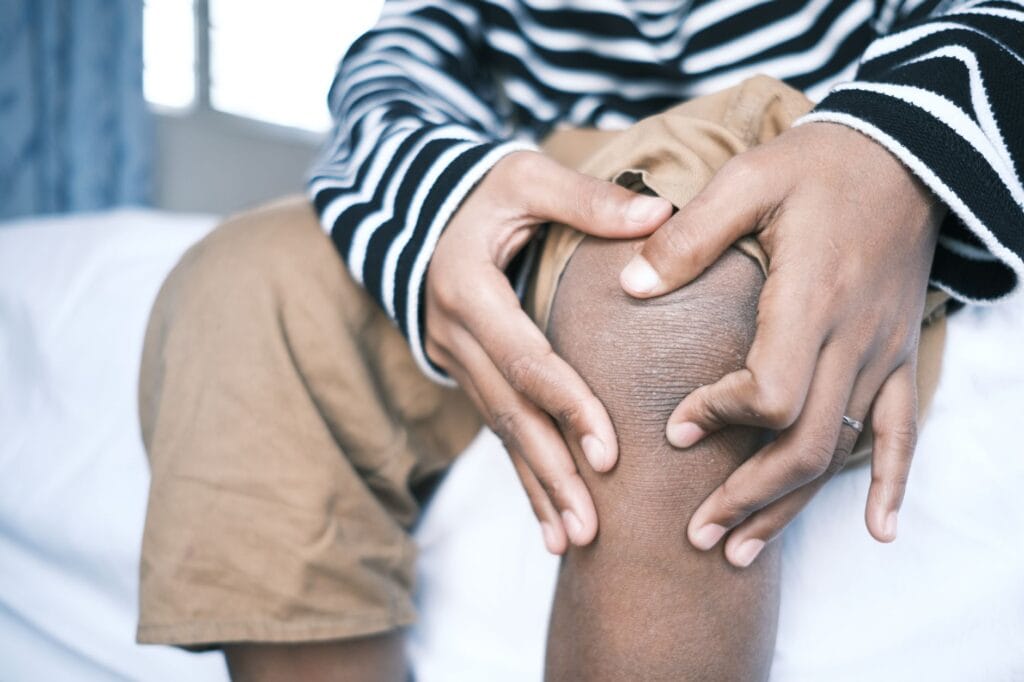
Many people report hearing or feeling a distinct pop at the moment of injury. Following that, symptoms usually develop over the next twenty-four hours as inflammation sets in. You might experience localized pain along the joint line, swelling and stiffness, a feeling that your knee is locking or catching when you try to straighten it, or a sensation that your knee is giving out and cannot support your weight.
How Physicians Diagnose Knee Injuries
Accurate diagnosis is the foundation of any successful recovery plan. When you visit a clinic for knee pain, your physician will start with a comprehensive physical examination. They will review your medical history, discuss how the injury occurred, and perform specific orthopedic maneuvers, such as McMurray’s test, to stress the joint and observe your reaction.
To confirm a suspected meniscus tear and rule out other issues like ligament damage or fractures, advanced imaging is often necessary. Modern diagnostic tools allow doctors to visualize soft tissues clearly. In many cases, specialized imaging like digital x-rays are performed first to check for bone involvement, followed by diagnostic imaging to evaluate the cartilage itself.
Conservative Treatment and Non-Surgical Options
Fortunately, not every meniscus tear requires surgery. The treatment approach depends heavily on the size and location of the tear, your age, and your activity level. The outer portion of the meniscus has a robust blood supply—known as the “red zone”—which gives it a better capacity to heal on its own compared to the inner avascular zone.
For minor tears, conservative management is often the first line of defense. This typically involves the R.I.C.E. protocol (Rest, Ice, Compression, Elevation), modifying your daily activities to avoid painful twisting movements, and targeted rehabilitation. Strengthening the muscles surrounding the knee, particularly the quadriceps and hamstrings, helps stabilize the joint and takes pressure off the damaged cartilage.
Advanced Therapies for Faster Healing
As sports medicine continues to evolve, patients have access to advanced Katy treatment options that promote natural healing and tissue repair. When traditional physical therapy and rest need a boost to resolve lingering inflammation and discomfort, regenerative options can play a valuable role in your recovery journey.
Minimally invasive approaches are designed to accelerate the body’s natural healing response without major downtime. Depending on the specifics of your injury, your care plan might incorporate targeted joint injections to manage pain and inflammation effectively, allowing you to participate more fully in rehabilitation exercises.
Prevention Strategies for Katy Athletes
While accidents happen, you can take proactive steps to protect your knees and reduce your risk of suffering a meniscus tear. Strengthening your lower body is one of the most effective preventive measures. Incorporating exercises that build core stability, hip strength, and proper landing mechanics during athletic activities can protect your knees from excessive rotational forces.
Always remember to warm up thoroughly before engaging in high-impact sports or strenuous workouts around Katy. Gradually increasing your training intensity rather than jumping into heavy activity after a sedentary week also helps keep your joints resilient and healthy.
When to See a Doctor
Knee pain should never be ignored, especially if it interferes with your daily life. You should schedule a professional evaluation if you notice any of the following red-flag symptoms:
- Inability to bear weight on the affected leg for more than a few steps
- Severe, rapid swelling that develops within hours of the injury
- Visible deformity or misalignment of the knee joint
- Persistent locking where you cannot straighten or bend your leg
- Numbness, tingling, or a cold sensation in your lower leg or foot
How HealthZone MD Can Help
Dealing with a knee injury can put your entire routine on hold, but you do not have to navigate recovery alone. At HealthZone MD in Katy, Texas, Dr. Chukwuemeka Nnabuife and our compassionate team provide comprehensive evaluations and personalized sports injury treatment tailored to your specific goals. Whether you are aiming to return to competitive sports or simply want to walk pain-free, we are here to support your health every step of the way. Ready to get back on your feet? Visit our team by booking an appointment at our scheduling page today.
Disclaimer: The information provided in this article is for educational purposes only and should not be construed as professional medical advice, diagnosis, or treatment. Always consult with a qualified healthcare provider regarding any medical condition or treatment options.
Frequently Asked Questions
Can a meniscus tear heal on its own?
Because the outer third of the meniscus has a good blood supply, minor tears in that area can sometimes heal with rest and physical therapy. Tears in the inner avascular zone rarely heal without surgical intervention.
How long does meniscus tear recovery take?
Recovery time varies widely depending on the severity of the tear and whether surgery was performed. Conservative treatment may take a few weeks, while surgical repair can require several months of rehabilitation.
Can I still walk with a torn meniscus?
Many people can still walk after tearing a meniscus, especially if the tear is small. However, you will likely feel pain, stiffness, or catching when bending or twisting the knee.
Related Articles