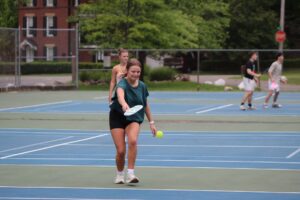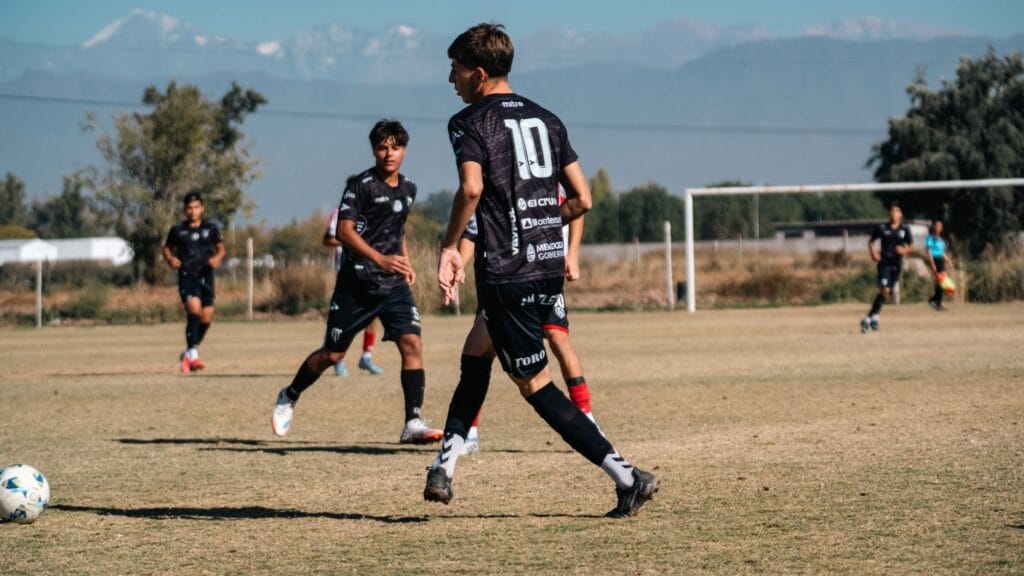
Youth sports are a fantastic way for kids in Katy to stay active, build teamwork, and learn lifelong healthy habits. Whether your child is playing fall football at Seven Lakes High School or participating in weekend soccer leagues off Mason Road, seeing them do what they love is rewarding. However, young athletes are growing rapidly, making their developing bones, muscles, and joints uniquely vulnerable to overuse and acute injuries. Protecting your child on the field requires a smart balance of training, rest, and proper gear.
Understand the Difference Between Overuse and Acute Injuries
Youth sports injuries generally fall into two categories: acute and overuse. Acute injuries happen suddenly, such as a sprained ankle during a basketball game or a broken wrist from a fall on the playground. These are often unavoidable accidents. Overuse injuries, on the other hand, develop gradually over time due to repetitive stress without adequate rest. Conditions like Little League elbow, Osgood-Schlatter disease, and stress fractures are increasingly common in young athletes who specialize in a single sport too early. Recognizing the early signs of wear and tear can prevent a minor ache from turning into a sidelined season.
Prioritize Proper Conditioning and Warm-Ups
Before your child steps onto the turf or court, a dynamic warm-up is essential. Static stretching—holding a stretch in place—is best left for after physical activity. Before practice or a game, young athletes should engage in dynamic movements that get the blood flowing and prepare the joints for action. Think light jogging, high knees, leg swings, and skipping. Proper conditioning also means building core strength and stability, which protects the spine, hips, and knees during high-impact movements.
Emphasize Rest and Cross-Training
The culture of youth sports often pushes kids to play one sport year-round. This specialization can place excessive, repetitive stress on the exact same muscle groups and joints. Experts recommend that youth athletes take at least one to two days off per week from organized sports and take two to three months off from a specific sport every year. Cross-training—participating in different sports or activities—helps develop balanced muscle strength and gives primary muscle groups time to recover. A soccer player might benefit from swimming in the off-season, for example, to build endurance without pounding the joints.
Check Equipment and Hydration in the Texas Heat
Safety gear matters tremendously. Ensure your child wears well-fitting equipment certified for their specific sport, from properly sized helmets to mouthguards and supportive footwear. Furthermore, living and playing sports in Katy means contending with high temperatures and heavy humidity for a significant portion of the year. Dehydration dramatically increases the risk of cramping, fatigue, and heat-related illnesses. Make sure your young athlete drinks water consistently before, during, and after practice, rather than waiting until they feel thirsty.
Foster Open Communication About Pain
Kids are often afraid to speak up about pain because they do not want to let down their coaches, parents, or teammates. They might brush off persistent soreness as just part of the game. It is vital to teach children that smart athletes listen to their bodies. Encourage an open dialogue by letting them know that telling you about a lingering ache is a sign of maturity, not weakness. Catching an injury in its earliest stages makes recovery much faster and easier.
When to See a Doctor
While minor scrapes and temporary muscle soreness are normal parts of an active childhood, certain symptoms require professional medical evaluation. You should schedule an appointment if your child experiences:
- Inability to bear weight on a leg, ankle, or foot
- Obvious joint deformity or severe swelling
- Pain that wakes them up at night or persists for more than a few days
- Numbness, tingling, or weakness in a limb
- Any head injury resulting in dizziness, headache, confusion, or nausea
How HealthZone MD Can Help
At HealthZone MD in Katy, Texas, Dr. Chukwuemeka Nnabuife and our team are dedicated to keeping your family active and healthy all year round. Whether your young athlete needs a pre-season sports physical, guidance on recovering from a sprain, or advice on safe training practices, we provide compassionate, comprehensive care close to home. Do not let pain sideline your child’s favorite activities. Visit our website to book an appointment with us today and keep your family moving safely.
Disclaimer: The health information provided in this blog is for educational purposes only and should not be used as a substitute for professional medical advice, diagnosis, or treatment.
Related Articles