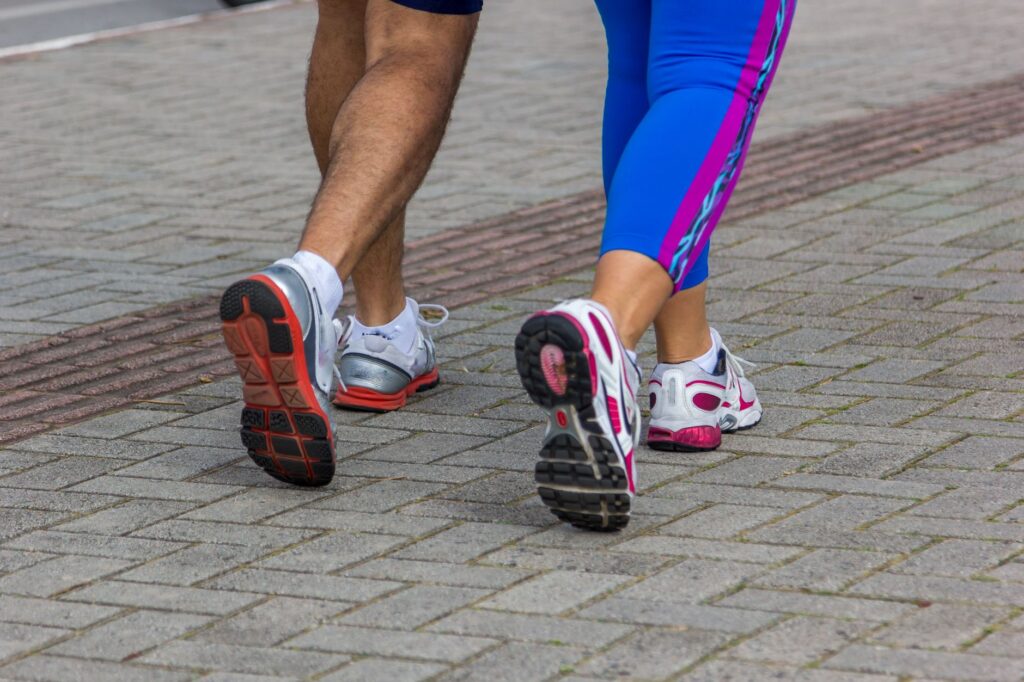
Whether you are training for the Katy Half Marathon, hitting the neighborhood sidewalks for an evening jog, or getting your high schooler ready for track season, leg pain can bring your momentum to a screeching halt. One of the most common complaints we hear from active folks in our community is that dull, nagging ache along the shin bone. Shin splints can turn a joyful run into a painful chore, but with the right approach, you can kick them to the curb and get back on your feet.
Understanding Shin Splints
Medically known as medial tibial stress syndrome, shin splints occur when the muscles, tendons, and bone tissue around your shin bone become overworked. The repetitive impact of running, jumping, or even brisk walking on hard surfaces puts immense stress on your lower legs. If you increase your activity level too quickly—a common trap when the weather cools down here in Katy and we all want to get outside—your body simply does not have enough time to adapt and repair the micro-stressors.
Identifying the Symptoms
How do you know if that lower leg discomfort is a shin splint or something more serious? Typically, shin splints present as a tenderness, soreness, or mild swelling along the inner border of your shin bone. The pain usually flares up at the beginning of a workout, might ease up a bit as you get moving, and then returns with a vengeance once you stop and cool down. Unlike a stress fracture, which tends to be pinpoint and excruciating in one specific spot, shin splints usually cause a broader, more generalized ache along the bone.
Smart Rest and Recovery Strategies
When shin splints strike, the hardest part for many dedicated athletes is hitting the pause button. However, temporary rest is crucial for healing. You do not necessarily have to become completely inactive; instead, swap high-impact running for low-impact cross-training. Swimming at your local Katy community pool or putting in miles on a stationary bike keeps your cardiovascular fitness up without pounding your shins. Ice packs applied to the area for fifteen to twenty minutes after activity can also help calm down localized inflammation.
The Importance of Proper Footwear
Often, the root cause of shin splints is hiding right on your feet. Running shoes lose their shock-absorbing capabilities long before the tread looks worn out—usually around three to four hundred miles. If your sneakers are past their prime, they fail to support your arches properly, forcing your lower leg muscles to work overtime. Investing in a proper gait analysis at a local specialty running store can help you find footwear tailored to your unique foot structure, whether you overpronate or have high arches.
Gradual Progression and Strengthening
Once the pain subsides, the key to keeping shin splints away is a sensible, gradual return to your routine. Follow the ten percent rule: never increase your weekly mileage or training intensity by more than ten percent over the previous week. Additionally, building strength in your lower legs can make a world of difference. Simple exercises like toe raises, heel walks, and resistance band ankle dorsiflexion help balance the muscle groups around your shin, making your legs much more resilient to the stresses of pavement pounding.
When to See a Doctor
While most shin splints resolve with rest, ice, and proper footwear, persistent pain should never be ignored. You should schedule an evaluation at HealthZone MD if you experience any of the following red flags:
- Severe, sharp, or pinpoint pain in the shin bone that worsens even when you are resting.
- Swelling, redness, or noticeable warmth radiating from the lower leg.
- Numbness, tingling, or weakness in your foot.
- Pain that does not improve after two weeks of consistent rest and self-care.
How HealthZone MD Can Help
If lingering lower leg pain is keeping you sidelined from the activities you love, you do not have to figure it out alone. At HealthZone MD in Katy, Texas, Dr. Chukwuemeka Nnabuife and our compassionate team specialize in sports medicine and family care, helping active individuals diagnose the root cause of their pain and build a safe, personalized recovery plan. Whether you need a thorough physical assessment or guidance on injury prevention, we are here to support your health goals. Book your appointment today at /appointments/ and take the first step toward pain-free movement.
Disclaimer: The information provided in this blog is for educational and informational purposes only and should not be construed as professional medical advice, diagnosis, or treatment.
Related Articles