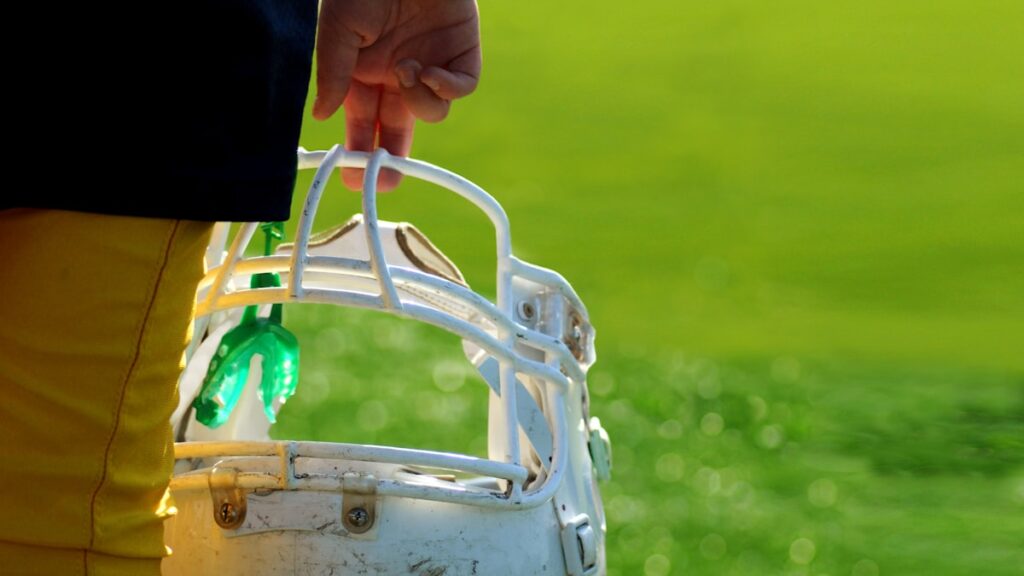

Youth sports teach kids teamwork, discipline, and confidence, but they also come with the risk of injury, and few injuries worry parents more than a concussion. As awareness has grown, so has our understanding of how to recognize and manage these head injuries safely. If your child plays sports, knowing the signs of a concussion and what to do next is one of the most important things you can learn as a parent.
What Is a Concussion?
A concussion is a type of traumatic brain injury caused by a bump, blow, or jolt to the head, or even a hit to the body that causes the head and brain to move rapidly back and forth. This sudden movement can cause the brain to shift inside the skull, disrupting normal brain function. Importantly, you do not have to lose consciousness to have a concussion, in fact, most concussions happen without any loss of consciousness at all.
Know the Signs and Symptoms
Concussion symptoms can appear immediately or develop over hours. They fall into several categories:
- Physical: Headache, dizziness, nausea, balance problems, sensitivity to light or noise, blurred vision, fatigue.
- Cognitive: Confusion, feeling foggy, trouble concentrating or remembering, slowed thinking.
- Emotional: Irritability, sadness, nervousness, or mood changes.
- Sleep-related: Sleeping more or less than usual, trouble falling asleep.
Because young athletes may downplay symptoms to keep playing, parents and coaches should watch for signs like a dazed look, clumsy movement, slow responses, or changes in behavior.
What to Do If You Suspect a Concussion
The most important rule is simple: when in doubt, sit them out. A young athlete suspected of having a concussion should be removed from play immediately and not return the same day. Continuing to play with a concussion dramatically increases the risk of a longer recovery and a rare but catastrophic condition called second impact syndrome. Have your child evaluated by a healthcare provider experienced in concussion management.
The Road to Recovery
Recovery from a concussion involves both physical and cognitive rest at first, followed by a gradual, monitored return to activity. This means limiting activities that require concentration in the early days, such as screen time and heavy schoolwork, then slowly reintroducing them as symptoms improve. Return to sports follows a stepwise protocol, advancing only when each stage is tolerated without symptoms. Most young athletes recover fully, but rushing the process can set them back.
Returning to School and Sports
A good recovery plan addresses school as well as sports. Temporary accommodations, like shortened days, extra time on assignments, or breaks from screens, help students heal while keeping up with learning. Return to full contact sports should only happen after your child is symptom-free, back to their normal school routine, and cleared by a healthcare provider. This careful approach protects both their brain and their long-term health.
Prevention Matters
While not every concussion can be prevented, you can reduce the risk. Make sure your child uses properly fitted, sport-appropriate equipment, plays by the rules, and is coached in safe techniques. Encourage a culture where reporting symptoms is seen as smart, not weak. And keep an open line of communication so your child feels comfortable telling you when something does not feel right.
How HealthZone MD Can Help
At HealthZone MD in Katy, TX, Dr. Chukwuemeka Nnabuife and our team provide family and sports medicine care for patients of every age. Whether you need a routine check-up, help managing a chronic condition, or evaluation of a nagging injury, we are here to help you feel your best. Request an appointment or call our Katy office to schedule a visit.
This article is for general educational purposes and is not a substitute for personalized medical advice. Please consult a qualified healthcare provider about your specific situation.
Related Articles